
title: "Local SEO Secrets Revealed: What Experts Don’t Want You to Know About Google Maps"
description: "Discover the hidden Local SEO strategies the pros use to dominate Google Maps. Learn how to fix ranking errors, outsmart competitors, and drive real revenue growth."
Hey there! If you’ve ever searched for your own business on Google Maps only to find your competitors hogging the top spots, even though you know you’re better at what you do, you’re not alone. I’ve seen countless service business owners tear their hair out over this. It feels like there’s a secret club you weren’t invited to, and your business is stuck on the digital equivalent of a side street where no one ever walks.
But here’s the good news: the "secrets" the big-shot agencies charge thousands for aren't actually magic. They’re just tactical moves most people are either too lazy to make or simply don't know exist. I’ve worked with dozens of professional service firms that were invisible online until we flipped a few specific switches. Suddenly, the phone starts ringing, and more importantly, the right kind of customers start showing up.
Ready to transform your local presence from a "ghost town" to a "goldmine"? Let’s dive in.
The Foundation: Why Your NAP Is Probably Killing You
For starters, let’s talk about the boring stuff that actually matters the most. You’ve probably heard of NAP, Name, Address, and Phone number. It sounds simple, right? But I’ve noticed that this is where 80% of businesses trip up before they even get started.
Google is like a high-maintenance detective. If it finds your business listed as "Main St. Plumbers" on your website, but "Main Street Plumbing & Heating" on a random directory from five years ago, it gets confused. When Google gets confused, it loses trust. And when it loses trust, your ranking plummets.
I once worked with a law firm that couldn't figure out why they were stuck on page three. It turned out they had three different variations of their suite number across the web. We spent a week cleaning up those citations, making sure every single mention of their business was identical, and they jumped into the top three of the Map Pack within a month. Take it from me: consistency isn't just a suggestion; it’s the law of the land.
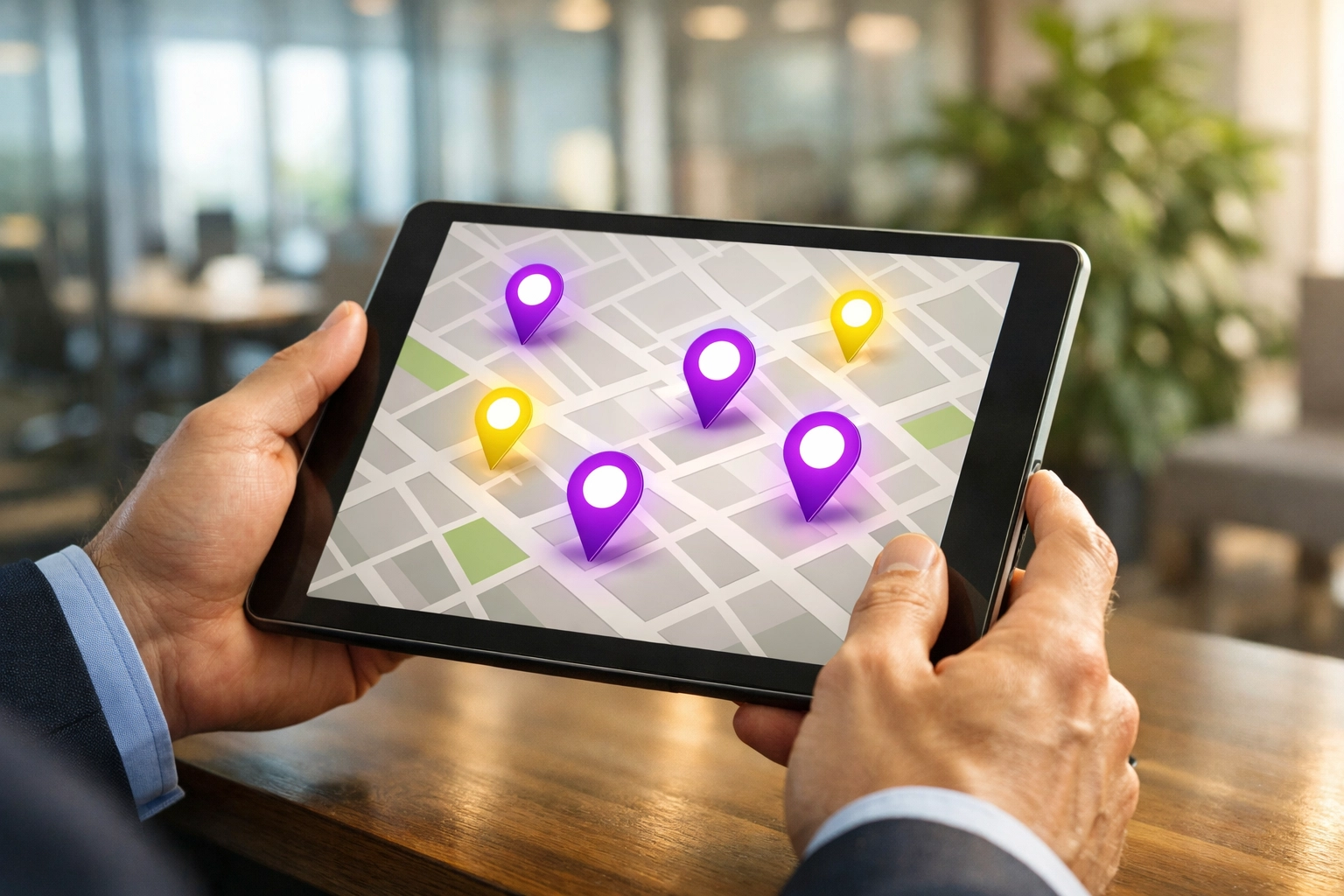
The "Secret" Strategy: Question Hijacking
Here’s something the "experts" rarely talk about because it takes a little bit of actual effort: Question Hijacking.
Most businesses treat their Google Business Profile (GBP) like a static billboard. They set it and forget it. But Google has a "Questions and Answers" section that is a total goldmine for local SEO. I’ve seen businesses leave this section completely blank, or worse, let random people answer questions with incorrect information.
Instead of waiting for people to ask, you should be the one asking and answering your own questions. Think about the high-intent "micro-moments" your customers experience. If you’re an HVAC company, your customers are asking: "Do you offer 24/7 emergency repairs?" or "How much does a diagnostic call cost?"
By posting these questions yourself and providing clear, professional answers, you’re not just helping the customer, you’re feeding Google’s algorithm exactly the kind of relevant, keyword-rich content it craves. It’s a killer way to win those "near me" searches that happen in an instant.
Beyond Reviews: The "Review Gap" Opportunity
We all know reviews are important. Everyone asks for them. But here’s the thing: most people stop at "Please give us five stars."
If you want to dominate Google Maps, you need to look at the Review Gap. I’ve helped businesses analyze their competitors' reviews to find exactly what’s missing. Are people complaining that the "big guy" in town never calls back? Or that they don't explain their pricing?
Turn those complaints into your own content strategy. If the competitor is failing at communication, make sure your profile and your web design highlight your "15-minute callback guarantee."
Also, don’t just get reviews: respond to them using local keywords. Instead of saying "Thanks for the review!" try "Thanks for choosing us for your plumbing repair in downtown Chicago! We love serving our local community." It feels natural to the reader, but to Google, it’s a massive signal of geographic relevance.
The Technical Edge: LocalBusiness Schema
Imagine if you could hand Google a cheat sheet that told it exactly who you are, what you do, and where you’re located in a language it speaks fluently. That’s what Schema Markup does.
Most small business websites are built without a thought for technical SEO. But adding LocalBusiness Schema code to your site is a game-changer. It tells search engines your exact coordinates, your business hours, and even your price range.
I’ve seen websites with beautiful designs that couldn't rank to save their lives because their technical foundation was crumbling. If you're serious about growth, you can't afford to ignore this. It’s one of the primary things we look at in our SEO services to ensure our clients aren't just seen, but indexed correctly.

Stopping the Leak: The Revenue Operating System
Here is where I might ruffle some feathers. Most "lead generation" agencies want to brag about how many clicks or "leads" they got you. But as a business owner, you don't take "clicks" to the bank. You take revenue.
This is why we focus on Revenue Operating Systems. Local SEO isn't just about showing up on a map; it’s about creating a system where that visibility leads to a sale.
If your Google Maps profile is amazing but your website takes ten seconds to load on a phone, you’re throwing money away. Remember: 67% of Google Maps users are on mobile. If they click through to a clunky site, they’re gone in a heartbeat. You need a seamless transition from the "Map Pack" to your lead generation pages.
The goal isn't just to be at the top of the list: it's to be the most obvious, easiest choice for the person searching. That's how you turn a searcher into a lifelong customer.
Critical Mistakes That Will Get You Banned
I’ve seen some "gurus" suggest tactics that are frankly dangerous. If you want to keep your business on the map, avoid these like the plague:
- Virtual Addresses: Using a UPS Store or a co-working space as your primary business address is a huge red flag. Google is cracking down on this, and they will suspend your profile without warning.
- Keyword Stuffing: Don't name your business "Best NYC Plumber Emergency 24/7." Google knows that isn't your real name. Stick to your legal business name or risk a permanent ban.
- Fake Reviews: Buying reviews is the fastest way to kill your reputation and your ranking. Google’s AI is incredibly good at spotting unnatural review patterns.
Instead of trying to "trick" the system, focus on being the most relevant local authority. One link from your local Chamber of Commerce or a local neighborhood blog is worth ten links from a national site with no geographic connection to you.
Pro Tip: Don’t Sleep on Mobile Optimization
I mentioned it before, but it bears repeating: if your site isn't fast on mobile, you’re losing. When someone searches for a service "near me," they are usually in a hurry. They want a phone number they can click and a map they can follow.
I’ve noticed that businesses that prioritize "click-to-call" buttons and fast-loading mobile pages see a significantly higher conversion rate from their Google Maps traffic. It’s a no-brainer, yet so many professional service firms still have websites that look like they were designed in 2012.
Moving the Needle: What’s Your Next Move?
Local SEO isn't a one-time project; it’s a discipline. But you don’t need a Hollywood budget to start seeing results. You just need to be more consistent and more strategic than the guy down the street.
Start by auditing your NAP. Then, go post three questions in your own Q&A section. These small wins build the momentum you need to dominate your local market.
If you’re tired of the "lead gen" treadmill and want to build a real system that drives predictable growth, let’s talk about how Revenue Operating Systems can change the game for your business. The "secrets" are out: now it’s time to use them.
Ready to claim your spot at the top? Start implementing these steps today, and you’ll see exactly why the experts try to keep this stuff under wraps. Your future customers are already searching for you. Make sure they can actually find you.