
Paid Ads that produce qualified pipeline - not just clicks
Google and Meta campaigns built on conversion-first structure, real tracking, and continuous optimization – tied to leads, calls, and revenue.
We build paid acquisition systems that connect ads, landing pages into one measurable growth engine.
Why Most Paid Ads Underperform
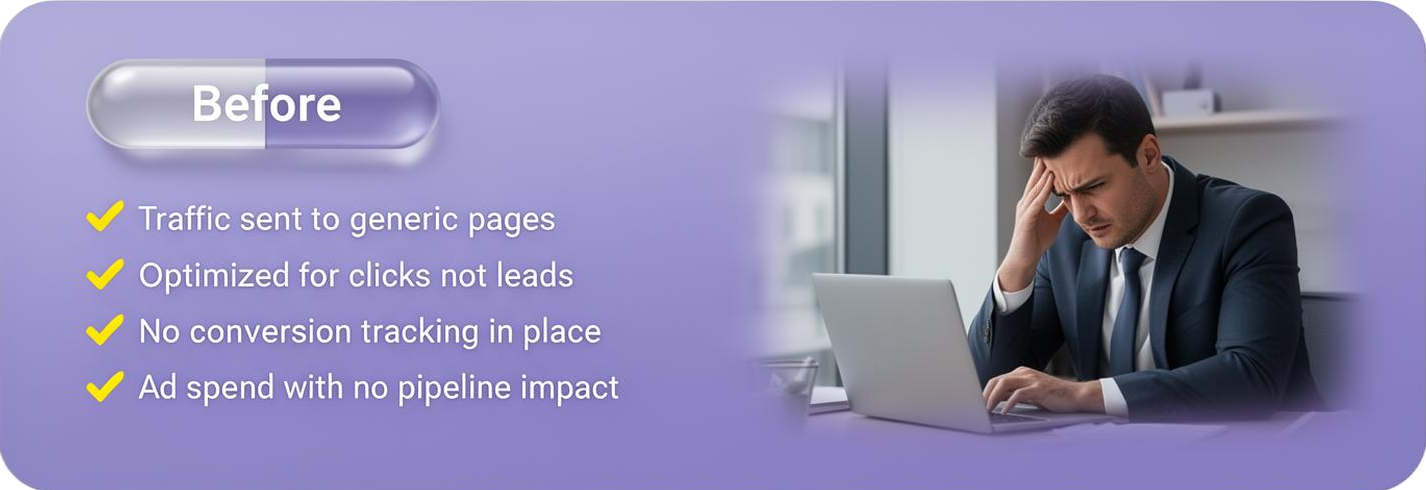
- Traffic is sent to weak or generic pages
- No clear offer or conversion path
- Campaigns optimized for clicks instead of leads
- No alignment between ads and sales process
- Reporting shows spend — not pipeline impact
What You Get from a Real Paid Ads System
- Campaigns mapped to real buyer intent
- Conversion-focused landing paths
- Google Search + Meta demand capture
- Structured testing of offers and creatives
- Retargeting to recover lost demand
- Reporting tied to leads and opportunities
How Our Paid Ads System Works
Strategy & Offer Mapping
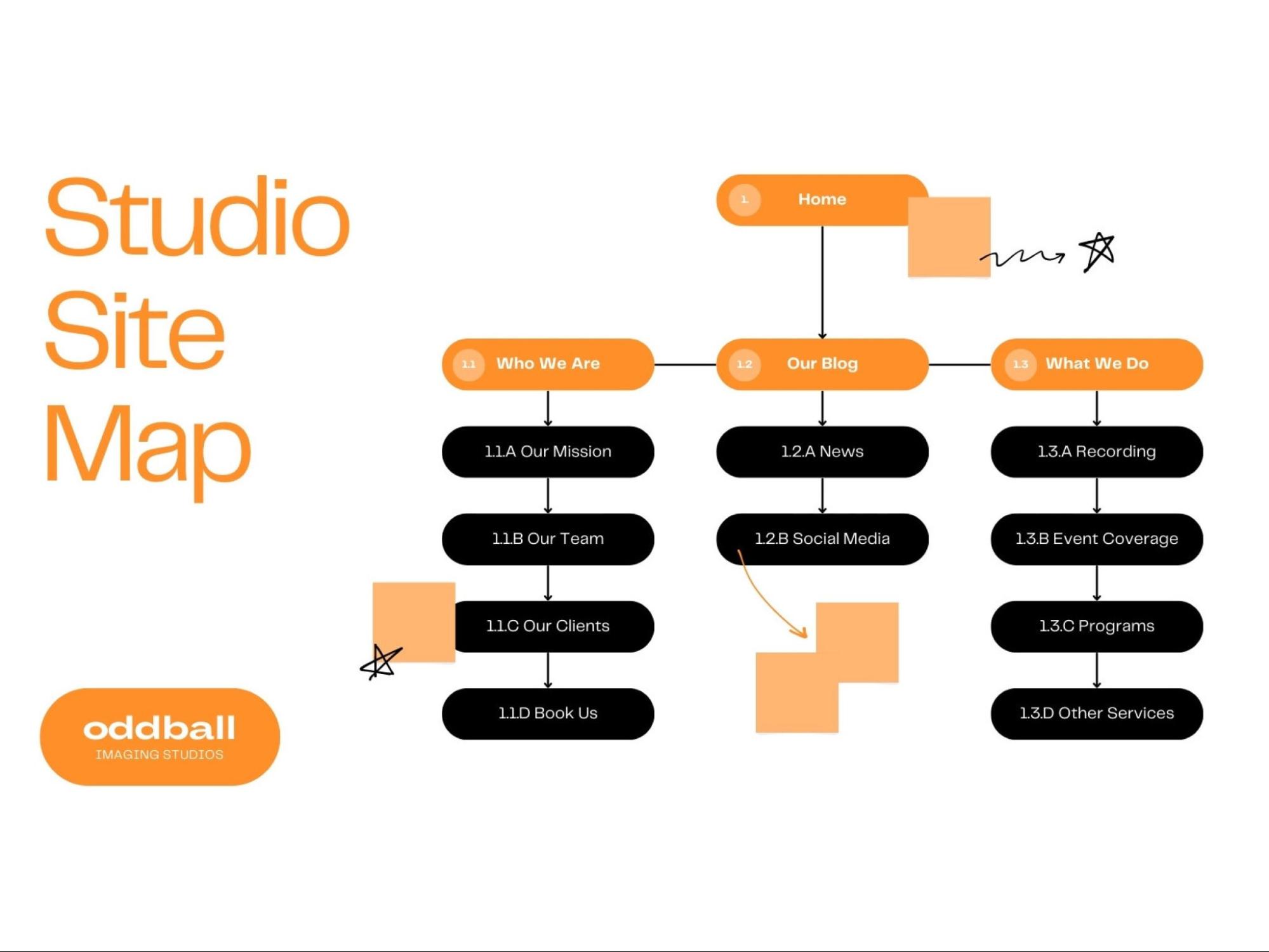
- Buyer intent and keyword/audience mapping
- Offer and funnel structure
- Conversion event design
Build & Setup
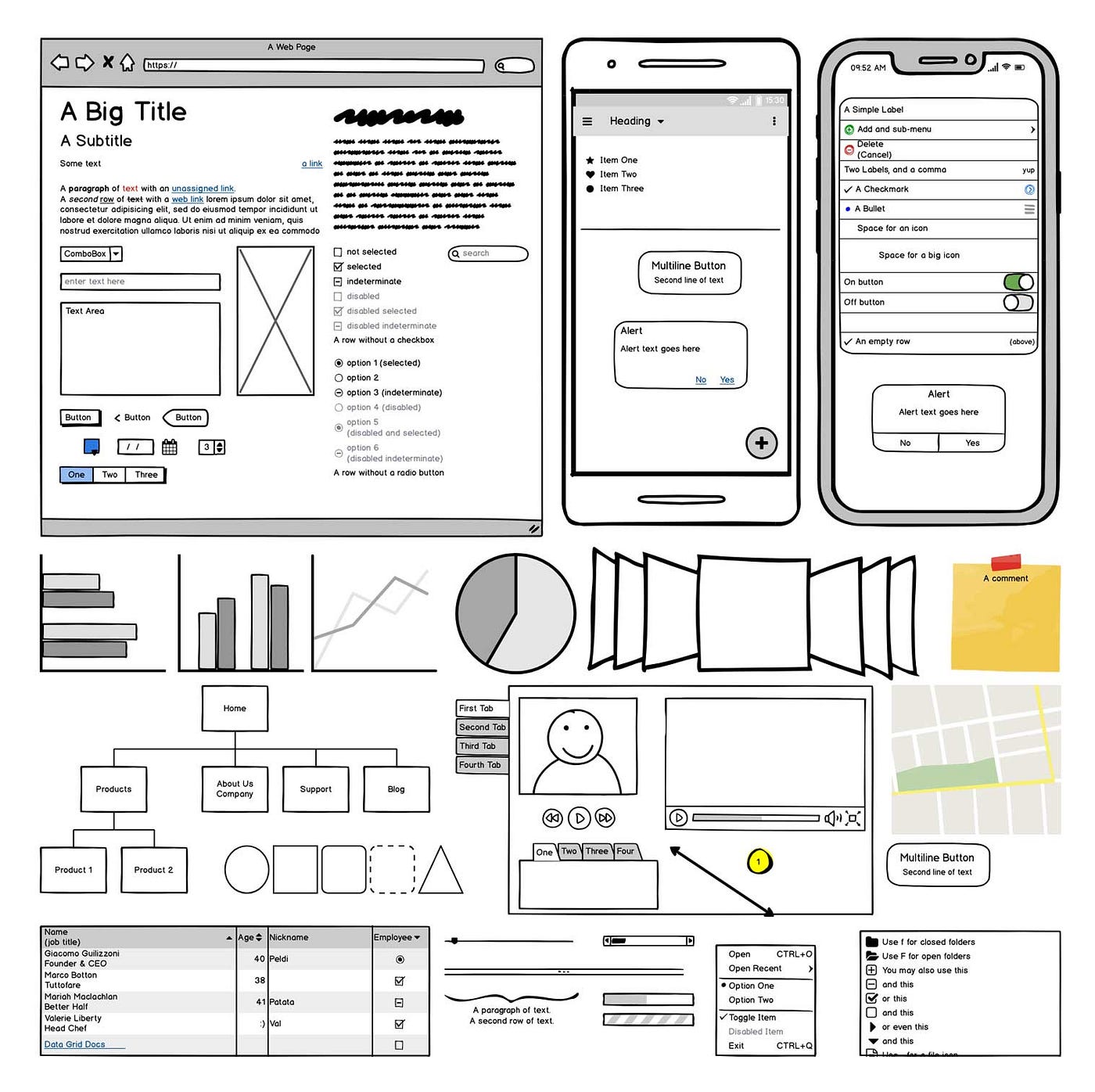
- Account and tracking architecture
- Campaign and audience structure
- Landing page alignment
Ongoing Execution
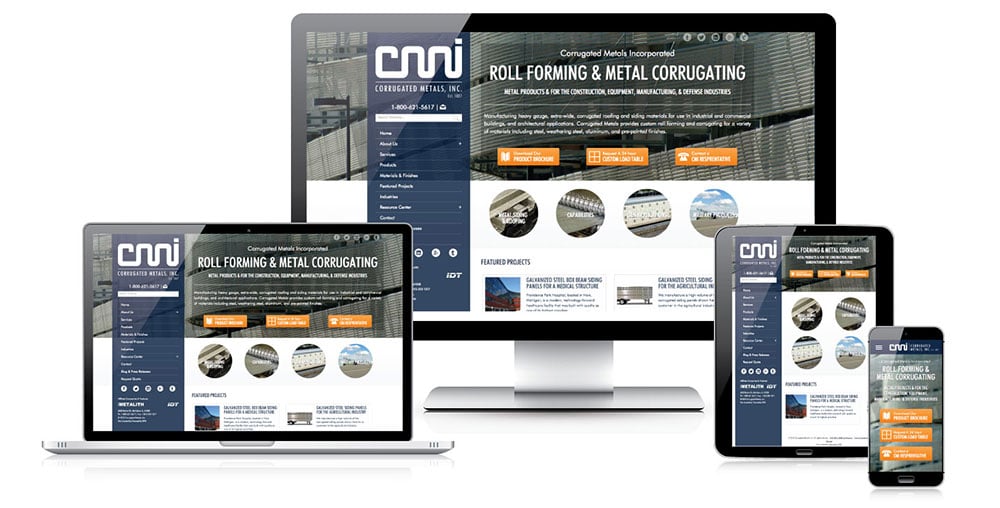
- Continuous bid and audience optimization
- Creative and copy testing
- Funnel improvement cycles
Measurement & Reporting

- Call and form tracking
- Lead quality feedback loop
- Monthly performance reviews
What This Looks Like in Practice

Frequently Asked Questions
How do you ensure paid ads produce ROI?
We align campaigns to high-intent offers, structured landing pages, conversion tracking, and continuous optimization cycles.
What platforms do you manage?
Google Ads, Meta Ads, and other paid demand platforms based on market fit.
How much should a business spend on ads?
Ad spend depends on market competitiveness, revenue targets, and cost per acquisition thresholds. We structure spend around measurable ROI targets.
Do paid ads work without strong landing pages?
Paid ads require conversion-focused landing pages to perform efficiently. Without proper structure, cost per lead increases.
How quickly do paid campaigns produce results?
Initial data appears within weeks. Optimization cycles typically stabilize performance within 30–90 days.