
Ever feel like your service business is the best-kept secret in town? It’s a frustrating spot to be in: I’ve seen incredibly talented plumbers, attorneys, and HVAC pros struggle to keep the lights on while their competitors (who might not even be as good) get all the calls.
The difference usually isn't the quality of the work. It’s visibility.
If you’re running a service-based business, your "storefront" isn't just a physical location: it’s the top three results on a Google search map. I’ve noticed that most business owners think SEO is some dark art reserved for Silicon Valley tech giants, but here’s the good news: Local SEO is actually one of the most straightforward and high-impact ways to grow your bottom line.
In my experience, mastering Local SEO isn't just about "getting more clicks." It’s about building a pipeline of high-intent neighbors who are ready to pay for your expertise right now. Ready to stop being invisible? Let’s dive in.
Why Local SEO is Your Most Important Employee
I’ve seen countless service businesses pour money into generic "brand awareness" ads that go nowhere. But think about how you search for a service. When your water heater explodes at 2 AM, you aren't looking for a brand: you’re looking for "emergency plumber near me."
That’s high-intent search. These aren't people "just looking": they are people with a problem that needs a solution immediately.
Local SEO is the practice of optimizing your online presence so that when those high-intent searches happen, you’re the one who shows up. For professional services, this is a total game-changer. Unlike general SEO, which pits you against the entire internet, Local SEO lets you dominate your specific backyard.
At DM Digital, we call this the foundation of your Revenue Operating System. If you aren't winning the local search game, you’re leaving money on the table for your competitors to scoop up.
Step 1: Claim Your Digital Real Estate (Google Business Profile)
If you do nothing else after reading this, do this: claim and optimize your Google Business Profile (GBP).
I’ve helped local businesses double their lead volume just by filling out this profile correctly. It is the single most important factor in where you rank on Google Maps.
First off, search for your business. If it’s there, claim it. If not, create it. But don’t just stop at the basics. You need to treat your GBP like your primary website.
- Select the Right Category: Google has nearly 4,000 categories. Don't just pick "Contractor" if you’re a "Kitchen Remodeler." Be as specific as possible.
- Photos are Non-Negotiable: I’ve noticed that profiles with high-quality, authentic photos of the team, the office, and completed jobs get significantly more engagement. Avoid stock photos: people want to see who is coming to their house.
- Complete Every Field: Business hours, service areas, and your website link should all be there.
Step 2: The Power of NAP Consistency
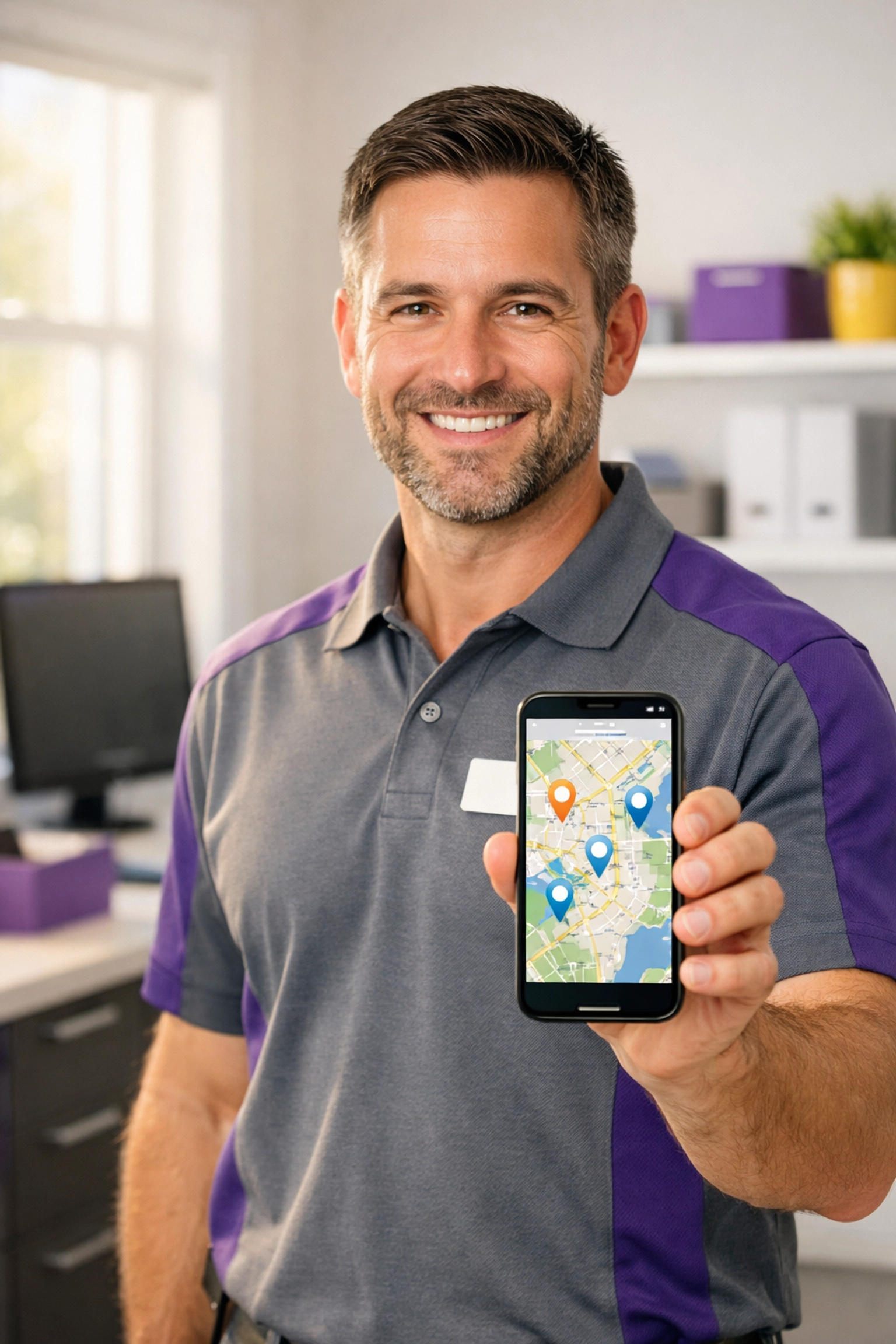
In the world of Local SEO, NAP stands for Name, Address, and Phone number. It sounds simple, but I’ve seen this trip up even the most sophisticated businesses.
Imagine Google is a detective trying to verify if your business is legitimate. If your website says "Main St. Law Firm," but your Yelp profile says "The Law Offices of Main Street," and your Facebook page has an old phone number, Google gets confused. When Google gets confused, it doesn't rank you.
Take it from me: consistency is key. You need your NAP data to be identical across every single directory: your website, Google, Bing, Facebook, and the Yellow Pages.
Pro tip: Use a spreadsheet to track exactly how your business name and address are formatted (e.g., "Suite 101" vs "#101") and ensure every listing matches that master copy exactly.
Step 3: Location-Specific Content That Converts
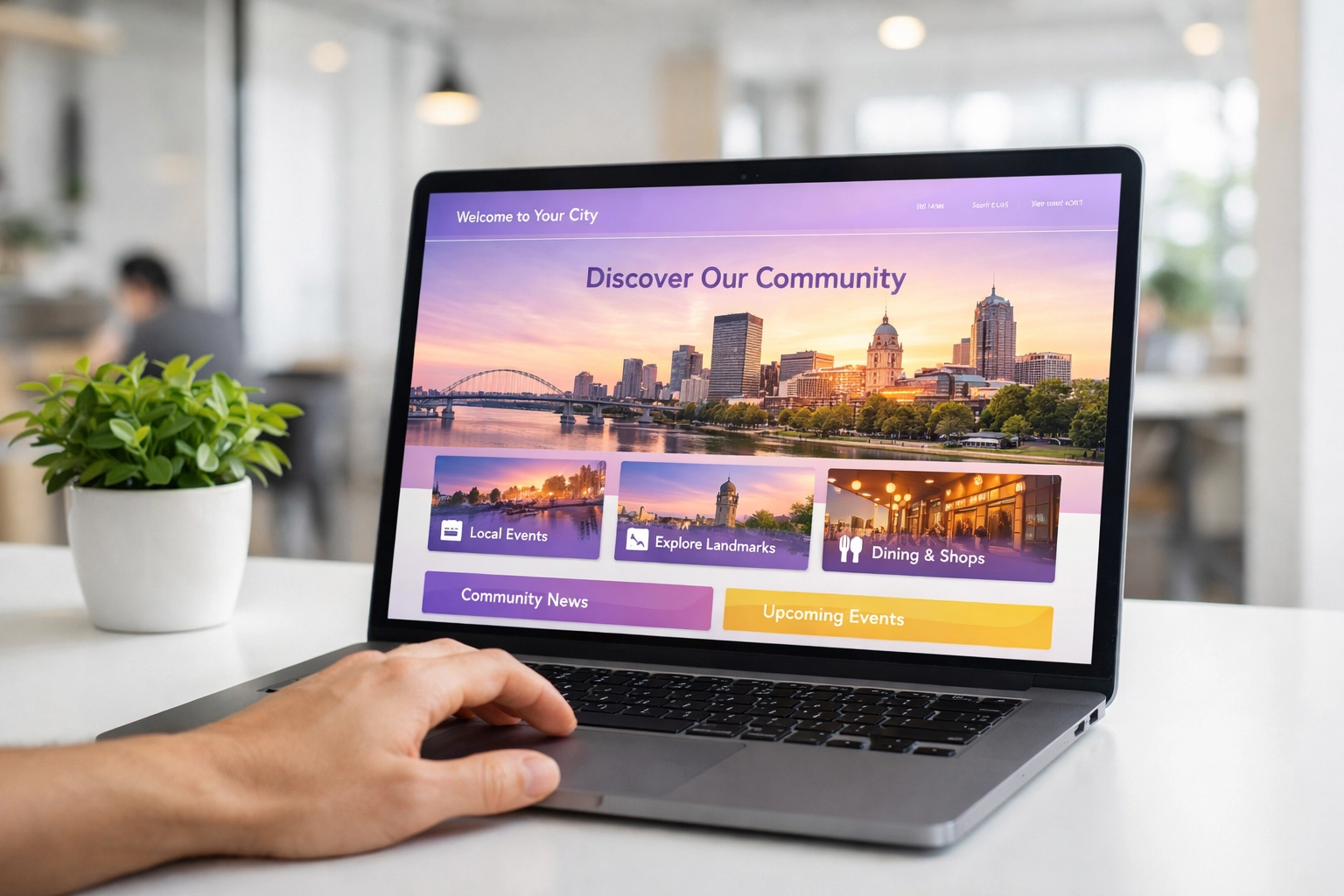
Most service businesses make the mistake of having one "Services" page that tries to do everything. If you serve three different cities, you need three different approaches.
I’ve seen a massive boost in rankings when businesses create dedicated landing pages for each city or neighborhood they serve. Don't just copy-paste the content and swap the city name: that’s a recipe for a "duplicate content" penalty.
Instead, talk about local landmarks, mention local partnerships, or showcase testimonials from customers in that specific area. This signals to search engines (and customers) that you truly are a local expert.
For more on why this matters, check out our guide on why organic SEO is important now more than ever.
Step 4: Reviews Are Your New Currency
We live in a "review economy." I’ve seen potential leads vanish instantly because a business had a 3.2-star rating while their competitor had a 4.8.
Reviews do two things:
- They build trust with humans. (Social proof is a killer conversion tool).
- They signal authority to Google. (More positive reviews usually mean higher rankings).
Don't be afraid to ask for them! Most people are happy to leave a review if you’ve done a great job; they just need a nudge.
Here’s the thing: You must respond to every review: even the bad ones. A professional, helpful response to a negative review can actually win you more business because it shows you care about customer satisfaction.
Step 5: Building Local Authority Through Backlinks
In the broader SEO world, you want links from big sites like Forbes or TechCrunch. But in Local SEO? A link from the local Chamber of Commerce or a neighborhood blog is a goldmine.
I’ve worked with a local bakery that saw a massive spike in search rankings just by sponsoring a little league team and getting a link from the league’s website. These "local signals" tell Google that you are a pillar of the community.
Think about:
- Local news outlets.
- Niche industry groups in your city.
- Partnering with non-competing local businesses (e.g., a real estate agent linking to a home inspector).

From Leads to Revenue: The DM Digital Approach
Here is where I want to challenge you. Most agencies will tell you that the goal of Local SEO is "leads." But at DM Digital, we know that leads don't pay the bills: revenue does.
If you’re getting 100 calls a month but 90 of them are for services you don't offer, your SEO strategy is failing. We focus on conversion optimization and lead generation that targets the right customers.
We look at Local SEO as one gear in your Revenue Operating System. It’s about creating a predictable, scalable way to grow your sales-qualified pipeline. When your Google Ads work in tandem with your organic Local SEO, you start to dominate the entire search results page.
Ready to Dominate Your Local Market?
I know this can feel like a lot to take in. You’ve got a business to run, after all: you shouldn't have to be a full-time SEO expert too.
But the stakes are higher than ever. If you aren't visible in local search, you’re essentially handing your customers over to your competitors on a silver platter.
Start small. Claim your Google Business Profile today. Fix your NAP consistency tomorrow. Before you know it, you’ll see that phone starting to ring with the high-intent neighbors you’ve been looking for.
If you want to see how we’ve helped other service businesses crush their local competition, take a look at this customer testimonial for our local SEO solutions.
Ready to transform your local presence into a revenue-generating machine? Let's talk about building your Revenue Operating System today. Your future customers are already searching for you: make sure they can find you.
Meta Title: Local SEO 101: Guide to Lead Gen for Service Businesses | DM Digital
Meta Description: Learn how to master Local SEO for your service business. From Google Business Profile optimization to NAP consistency, discover the steps to drive high-intent leads and revenue.