
Look, I’ve seen countless service businesses pour money into local SEO and wonder why they’re not seeing real revenue growth. They’re getting traffic, maybe even showing up in Google’s local pack: but the phone isn’t ringing, and the calendar isn’t filling up.
Here’s the thing: ranking well and generating qualified leads that convert into paying customers are two completely different games.
The good news? You don’t need six months or a massive budget to turn your local SEO into a revenue-generating machine. With the right system and focused execution, you can build a pipeline that consistently delivers sales-qualified prospects in just 30 days.
Ready to transform your local presence into a lead generation system that actually drives revenue? Let’s dive in.
Week 1: Build Your Foundation (Days 1-7)
Your Google Business Profile Is Your Revenue Engine
I’ve worked with service businesses that doubled their qualified leads just by properly optimizing their Google Business Profile. We’re not talking about basic stuff here: we’re talking about turning your GBP into a conversion machine.
Start with the essentials: complete every single field in your profile. Upload high-quality photos of your work, your team, and your location. But here’s where most businesses stop: and where you need to push further.
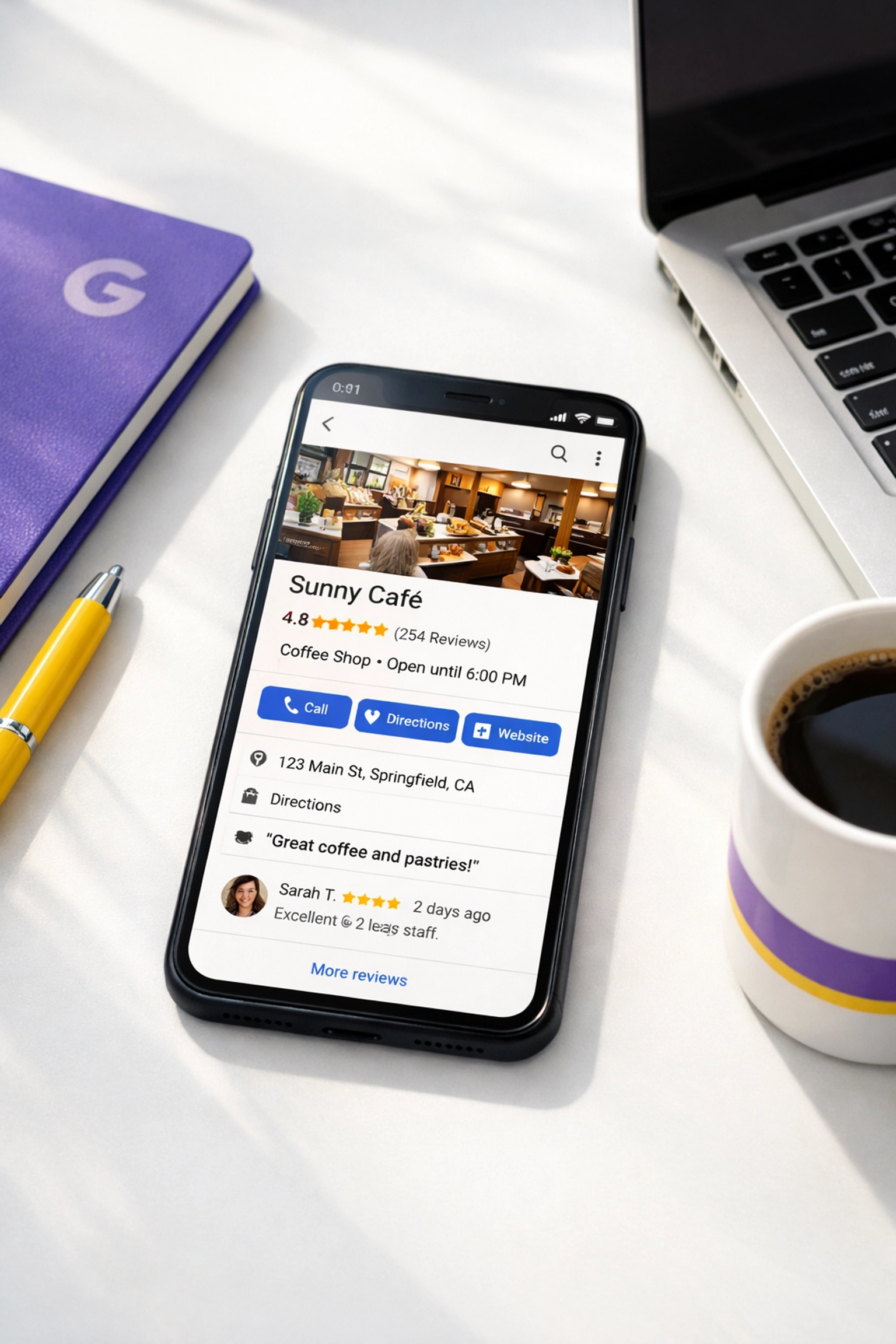
Create a posting cadence. Share weekly updates, offers, and customer success stories directly on your GBP. According to recent data, businesses that post weekly on their GBP see 30% more engagement than those that don’t. More engagement means more visibility, which means more qualified prospects finding you.
Claim Your Digital Real Estate
Next up: directory listings. But forget the spray-and-pray approach of submitting to 50 random directories. Focus on the ones that matter for your industry: Clutch, G2, Yelp, and industry-specific platforms where your ideal customers are actually looking.
The key here is NAP consistency: your Name, Address, and Phone number must be identical across every listing. Google sees inconsistencies as red flags, which tanks your local rankings. Take it from me: one afternoon of getting this right can save you months of ranking struggles.
Pro tip: Add Local Business Schema markup to your website. It’s technical stuff, but it tells Google exactly who you are, where you are, and what you do. Most businesses skip this: don’t be most businesses.
Week 2: Deploy Your Content Strategy (Days 8-14)
Create Location Pages That Actually Convert
Here’s where the revenue magic happens. I’m not talking about cookie-cutter location pages that just swap out city names. I’m talking about pages that speak directly to the specific needs, challenges, and concerns of customers in each area you serve.
A local HVAC company I worked with created location pages that mentioned specific neighborhoods, local regulations, and even referenced local landmarks. Their conversion rate jumped 45% because prospects felt like they were talking to someone who actually understood their community.

Build service pages with clean internal linking, then create location pages with real differentiation. Address local pain points. Mention regional considerations. Use keywords that combine your service and location naturally: not stuffed awkwardly into every paragraph.
Content That Drives Pipeline, Not Just Traffic
Start publishing content that answers the exact questions your prospects are asking at each stage of their buying journey. Focus on three content angles that consistently drive qualified leads:
Cost questions tied to your region. “How much does [service] cost in [city]?” content ranks well and attracts prospects who are ready to buy.
Timeline and emergency intent. “Same-day [service] in [area]” captures high-intent searchers who need solutions now.
Local rules and compliance guidance. Position yourself as the expert who understands local regulations and requirements.
For example, a local law firm could publish “2026 Business Licensing Requirements in [City]” rather than generic legal advice. That’s the difference between traffic and revenue.
Week 3: Activate Your Social Proof Engine (Days 15-21)
Reviews Are Your Sales Team’s Secret Weapon
I’ve seen businesses transform their close rates by systematically generating and leveraging customer reviews. We’re not talking about begging for reviews: we’re talking about building a system that makes review generation automatic.
Set up automated email sequences that request reviews after key customer milestones. A local contractor I worked with sends review requests three days after project completion: when satisfaction is high but the experience is still fresh. Their review velocity tripled.
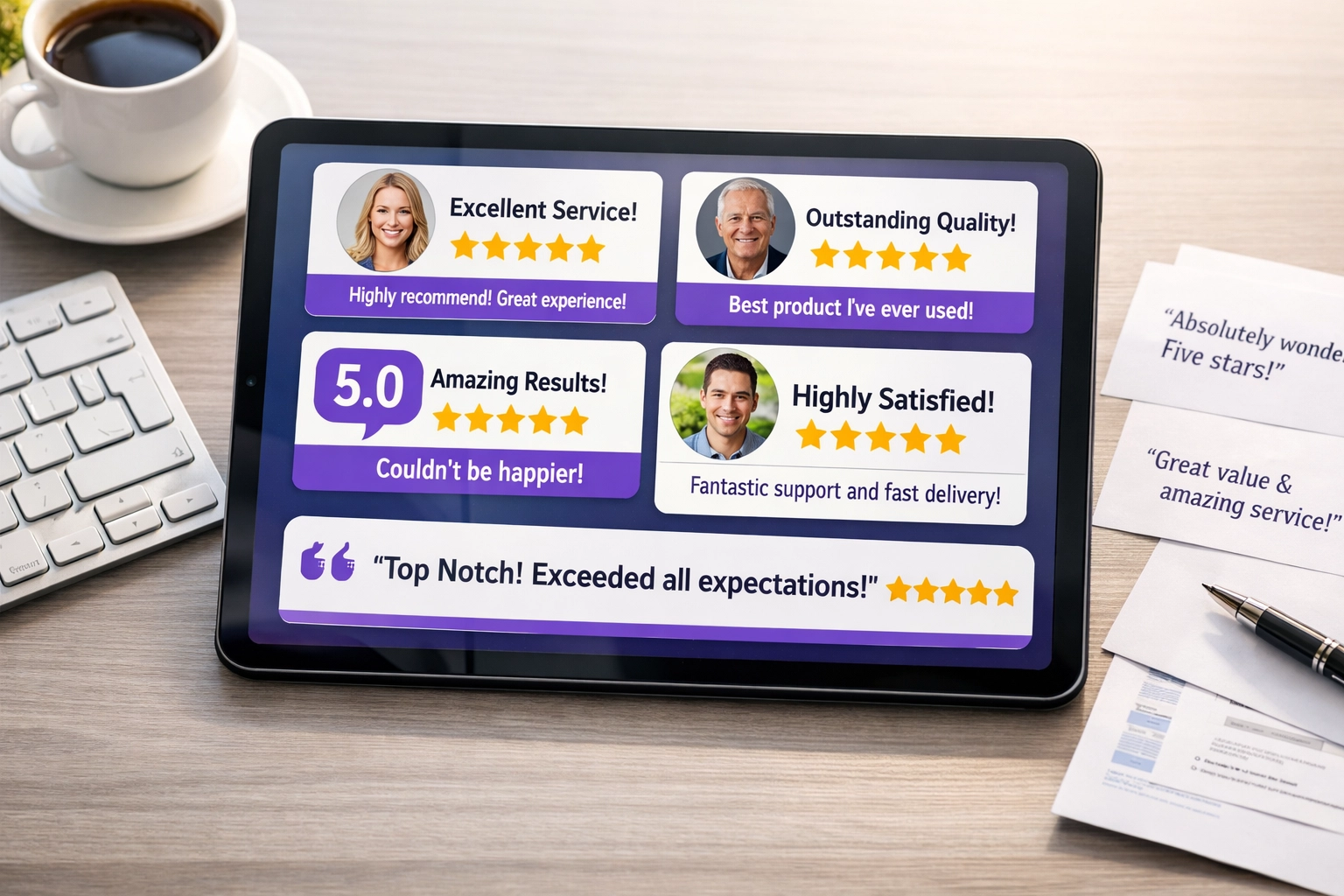
But here’s what most businesses miss: responding to reviews is just as important as getting them. Create a response cadence. Thank positive reviewers specifically. Address negative feedback professionally and publicly. Prospects are watching how you handle both.
Want to accelerate this? Offer incentives to your team for generating reviews. Financial rewards for staff who consistently get positive reviews work incredibly well. Just make sure you’re following platform guidelines: never pay customers directly for reviews.
Position Your Brand as the Local Authority
Start posting weekly thought-leader content on LinkedIn. Share insights about your industry, local trends, and helpful advice. A local accounting firm I worked with posts weekly tax tips specific to their region: it keeps them top-of-mind when prospects are ready to hire.
This isn’t about going viral. It’s about staying visible and credible with your local business community. Consistency beats perfection every time.
Week 4: Launch Your Lead Capture System (Days 22-30)
Lead Magnets That Convert Browsers Into Buyers
Here’s where we turn all that traffic and visibility into actual revenue. Launch a lead magnet campaign: but forget the old-school approach of advertising your services directly.
Instead, offer something valuable in exchange for contact information. A free consultation, a service audit, a comprehensive guide: something that solves an immediate problem and positions you as the expert.
A local marketing agency could offer a “Free Website Conversion Audit” instead of “Hire Us for Marketing Services.” The audit gets prospects in the door, demonstrates value, and naturally leads to paid services.
Start with modest ad spend: $100 to $200 on geo-targeted campaigns. Test different offers, headlines, and audiences. Scale what works ruthlessly. Cut what doesn’t immediately.
Build Your Nurture Machine
Now here’s the reality: most prospects aren’t ready to buy right now. That’s where email marketing workflows come in. Create segmented campaigns that nurture leads with customer success stories, helpful content, and updates on your services.
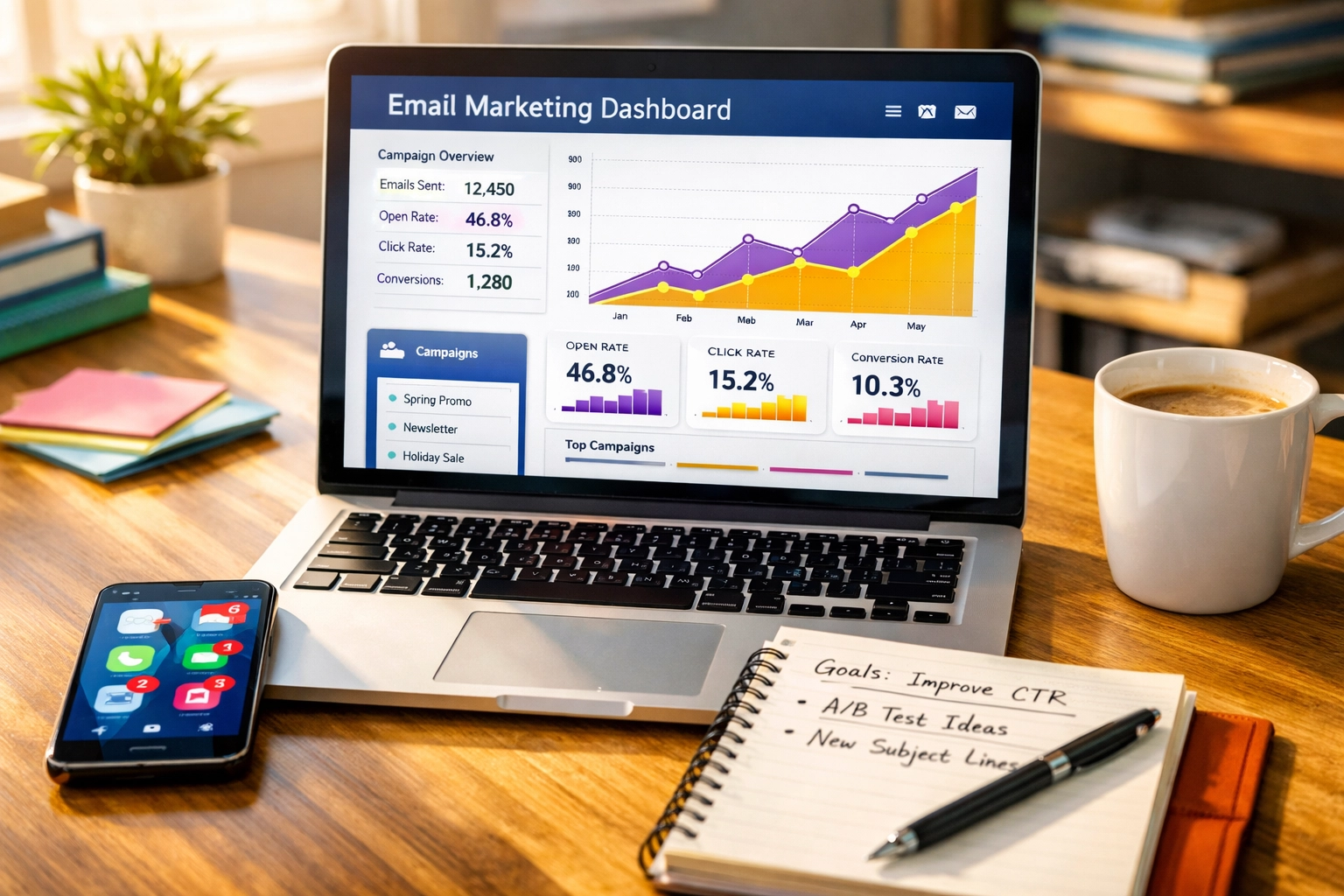
Send monthly campaigns minimum. Share wins, showcase new capabilities, and stay top-of-mind. A local B2B service provider I worked with sends a monthly “Local Business Digest” that shares industry news, their latest content, and subtle service reminders. Their sales cycle shortened by three weeks because prospects were pre-educated and pre-sold.
Geo-Targeted Ads That Drive Revenue
Launch location-specific advertising across Google Ads and social media. Create ad copy that mentions local issues, trends, or landmarks to boost credibility and click-through rates.
Use phrases like “Serving [Neighborhood] Businesses Since [Year]” or “The Go-To [Service] for [City] Residents.” Specificity builds trust, and trust drives conversions.
Quick Wins to Prioritize Right Now
Let me be clear about where to focus your energy first. Optimize your GBP listing today: it’s the fastest path to visibility and leads. Build your list of local business decision-makers and segment your campaigns by location. Segmented campaigns can improve open rates by 50% or more.
Start with one high-impact location or service page rather than creating ten mediocre ones. Request reviews from your best recent customers first to build momentum quickly.
And here’s something most businesses miss: focus on search intent over just location. Match your content and keywords to why local customers are searching, not just where they are. Someone searching “emergency plumber” has different intent than someone searching “plumbing inspection cost”: target both, but differently.
The 30-Day Reality Check
Look, I’m not going to tell you this system builds itself. It requires focused execution and consistent effort. But I’ve seen service businesses go from struggling for leads to turning prospects away because they can’t keep up with demand: all by following this exact framework.
The difference between businesses that succeed with local SEO and those that struggle isn’t budget or market size. It’s having a systematic approach that connects visibility to qualified leads to actual revenue.
You’ve got the roadmap. Now it’s time to execute. Start with week one’s foundation work today, and by day 30, you’ll have a lead generation system that consistently fills your pipeline with prospects who are ready to become customers.
Need help building a complete local SEO and lead generation system that drives measurable revenue? That’s exactly what we do at DM Digital. Let’s talk about turning your local presence into your best salesperson.