
Hey there. Let’s talk about the “waiting game” that most local business owners play.
You know the one. You invest in local SEO because everyone says it’s the “goldmine” for long-term growth, and it is, but then you’re stuck staring at your dashboard for three months waiting for the needle to move. On the flip side, you might be dumping cash into Meta Ads, getting a few clicks, but realizing the moment you stop paying, the leads vanish.
I’ve seen too many service businesses treat these two channels like they’re on different planets. They hire one person for social and another for SEO, and the two never speak. But here’s the thing, when you keep your paid and organic strategies in silos, you’re essentially leaving money on the table.
The good news? When you integrate Meta Ads with your local SEO, you stop “hoping” for leads and start building a predictable pipeline. We call this part of a Revenue Operating System, a framework designed to turn marketing from a cost center into a growth engine.
Ready to transform your local presence? Let’s dive in.
The Myth of the “Either/Or” Strategy
In my experience, business owners often feel they have to choose: Do I want fast results (Ads) or lasting results (SEO)?
It’s a false choice. Think of Meta Ads as the accelerator and your local SEO as the engine. The engine provides the power and sustainability, but the accelerator gives you the speed you need to actually get somewhere before you run out of patience (or budget).
I once worked with a local HVAC company that was crushed by seasonal dips. When they only did SEO, they couldn’t catch the sudden heatwave demand fast enough. When they only did ads, their cost-per-lead skyrocketed because they had no organic “trust” to back them up. By syncing the two, we created a system where ads captured the immediate demand while their SEO authority lowered their overall acquisition costs over time.
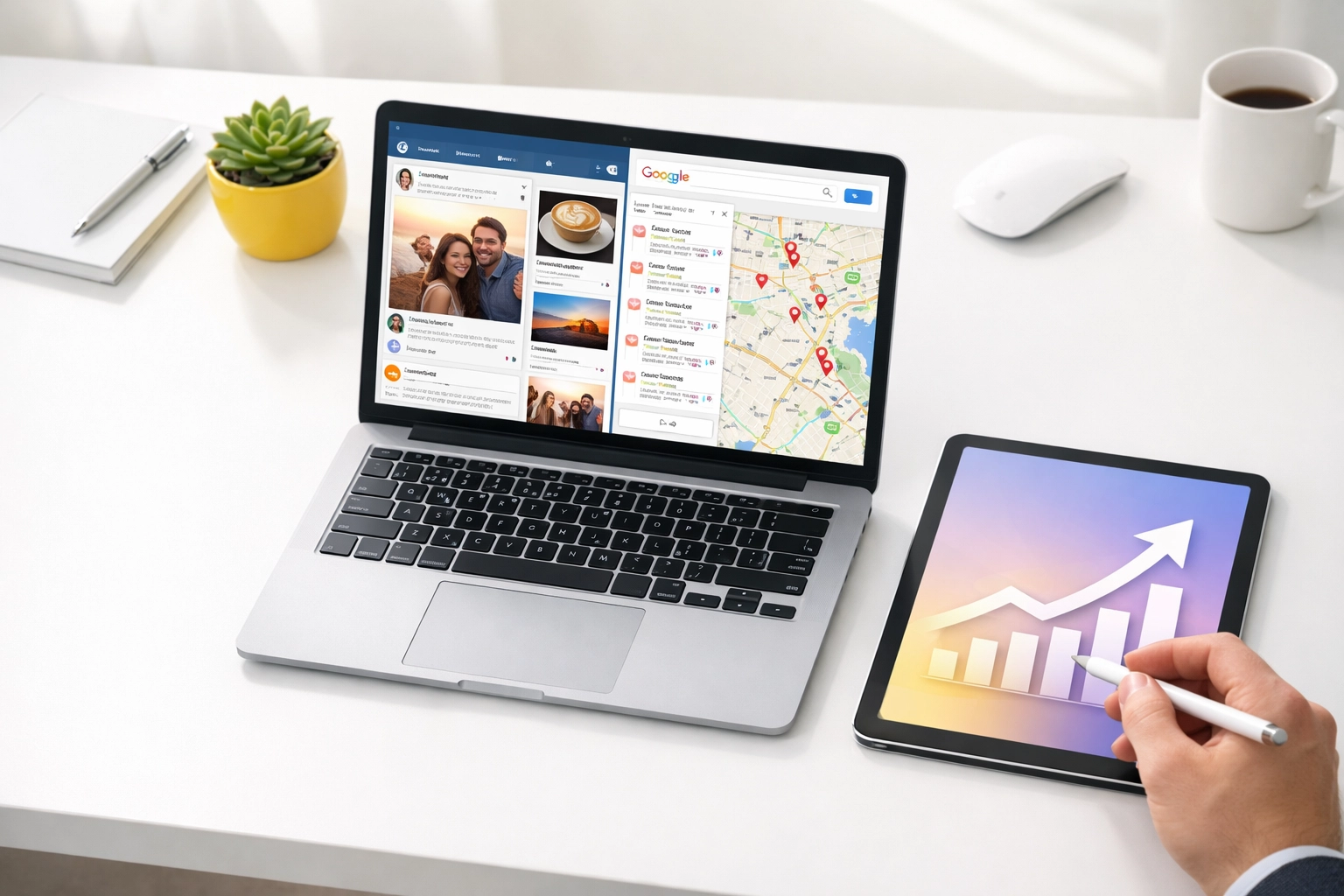
1. Sync Your Messaging for the “Halo Effect”
The first step in a predictable pipeline is consistency. Imagine a potential customer sees your Meta Ad for “Premium Roofing Solutions” while scrolling through Facebook. Later that day, they search Google for “best roofers near me” and see your organic listing.
If the messaging doesn’t match, if the ad was flashy and modern, but your SEO landing page looks like it’s from 2012, you’ve just lost that trust.
I’ve noticed that the most successful campaigns use the same “hooks” and “power words” across both channels. If your Meta Ads are highlighting a “10-Year Workmanship Warranty,” that same phrase should be front and center on your Google Business Profile and your local landing pages. This creates a “Halo Effect” where your brand feels omnipresent and reliable.
2. Using Meta Ads to Boost Branded Search
Here is a pro tip that most “pure” SEOs won’t tell you: Meta Ads are a secret weapon for improving your search rankings.
When people see your ads repeatedly on Instagram or Facebook, they don’t always click the “Learn More” button. Often, they’ll go to Google a few hours later and type in your business name directly. This is called a “Branded Search.”
Google loves branded searches. It tells their algorithm that you aren’t just a website, you’re a real business that people actually care about. By running targeted awareness ads on Meta, you’re effectively “priming” the pump for your SEO. I’ve seen branded search volume double for clients within just 30 days of launching a well-crafted Meta campaign, which in turn helped their local map pack rankings climb.
3. The Power of Geofencing and Localized Creatives
If you’re a service business, you aren’t trying to reach the whole world, you’re trying to reach the person three blocks away who needs a plumber right now.
Meta’s targeting allows you to be incredibly surgical with your location. But where most people fail is using “generic” creative. I’m talking about those stock photos of a guy in a hardhat that looks like he’s never held a wrench in his life.
Instead, use localized creatives. Show a project you completed in a recognizable neighborhood. Mention the city by name in the ad copy.
- “Hey Springfield homeowners: is your AC ready for July?”
- “We just finished this kitchen remodel over in the Highlands!”
When you combine this localized ad strategy with lead generation pages that are optimized for those same local keywords, your conversion rates will soar. It feels personal, not corporate.
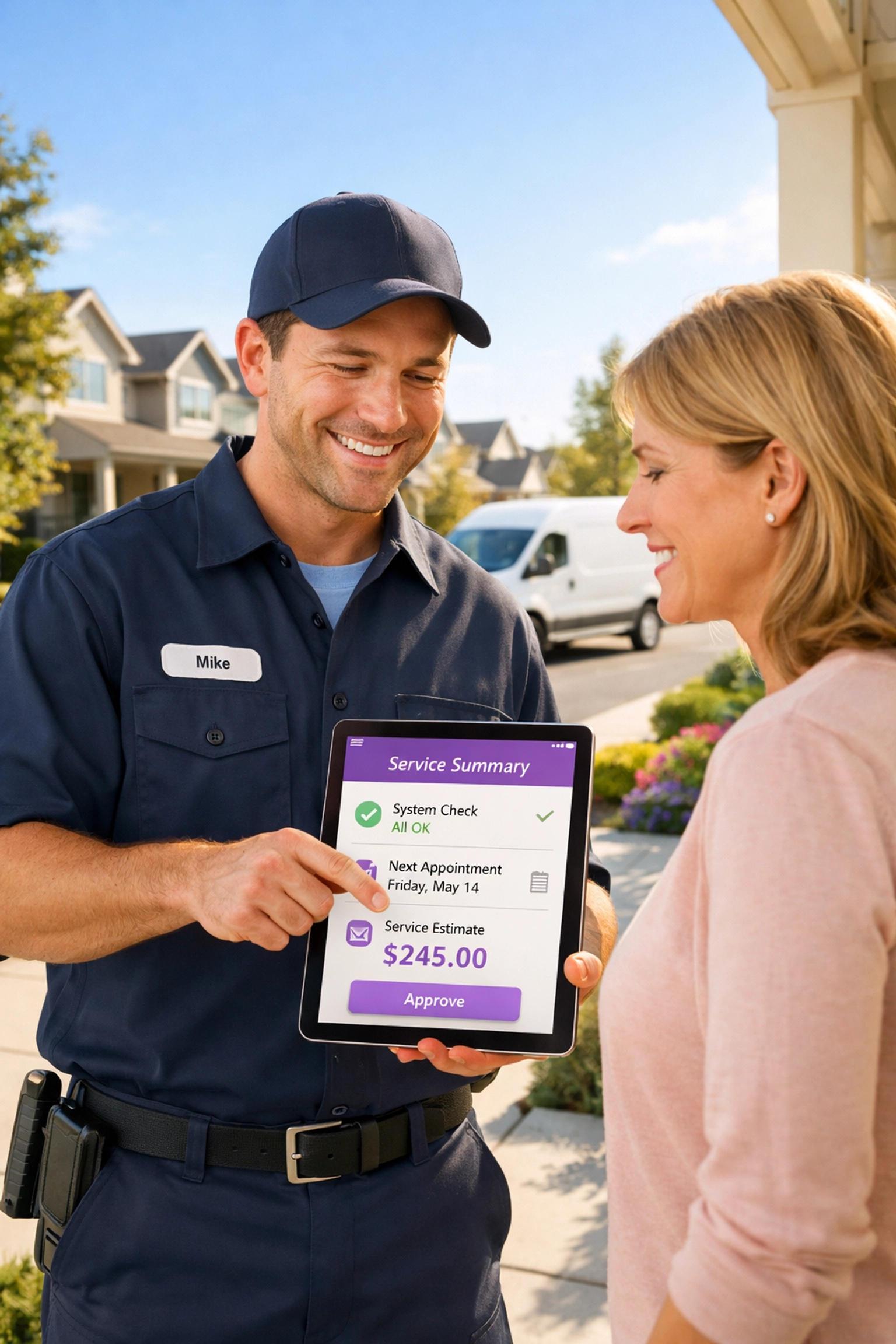
4. Driving Traffic to Optimized Local Landing Pages
Don’t sleep on this: Never send Meta Ads traffic to your homepage. Your homepage is a generalist; your landing page needs to be a specialist.
If you are running an ad for “Emergency Plumbing,” the user should land on a page that talks only about emergency plumbing, features a “Click to Call” button, and displays local reviews from their specific city.
From an SEO perspective, this traffic is a goldmine. When users land on your site from an ad and spend three minutes reading your content or watching a testimonial video, it sends positive “user signals” to search engines. It shows that your site provides value, which can indirectly boost your organic positions.
5. Retargeting: Catching the Ones Who Got Away
Let’s be real: most people won’t buy from you the first time they see you. They’re busy. Their kid is screaming, or they’re standing in line at the grocery store.
This is where the integration truly shines. If someone finds you through an organic Google search (Local SEO) but doesn’t book a call, you can “follow” them back to Facebook and Instagram using a retargeting pixel.
I’ve helped professional service firms use this to stay top-of-mind during long decision-making processes. A potential client might search for “estate planning lawyer,” find your blog post, and leave. Two days later, they see a Meta Ad featuring a video of you explaining the “3 Biggest Mistakes in Will Planning.”
Suddenly, you’re not just a search result: you’re an authority.

6. Focus on Revenue, Not Just Leads
In the world of DM Digital, we don’t just care about “clicks” or even “leads.” We care about the Sales-Qualified Pipeline.
The problem with running Meta Ads in isolation is that you can end up with a lot of “junk” leads: people who clicked because they were bored. By integrating your ads with a local SEO strategy that emphasizes high-intent keywords, you can use the data from your SEO (what people are actually searching for) to refine your ad targeting.
If you know that your most profitable customers come from searching “commercial roof replacement” rather than “cheap roof repair,” you should be pouring your Meta budget into the commercial audience. This is how you move from “spending money on ads” to “investing in a Revenue Operating System.”
Common Mistakes to Avoid
Before you run off to launch your next campaign, take it from me: avoid these pitfalls:
- Ignoring the Data: If your Meta Ads are getting clicks but your website’s “bounce rate” is 90%, your landing page is the problem, not the ad.
- Generic Offers: “10% off” is boring. “Free Water Quality Test for North Park Residents” is a local offer that builds a pipeline.
- Inconsistent NAP: Your Name, Address, and Phone number must be identical on your Facebook page, your Google Business Profile, and your website. If they aren’t, you’re killing your local SEO.
Ready to Build Your Predictable Pipeline?
Integrating Meta Ads with Local SEO isn’t just a “nice to have”: in 2026, it’s a requirement for any service business that wants to dominate their local market. It’s about building a system that works while you sleep, capturing demand where it lives, and building trust across every digital touchpoint.
If you’re tired of the “feast or famine” cycle and want to see how a Revenue Operating System can scale your business, it might be time to stop DIY-ing your marketing and start building a professional growth system.
So, how can you get started? Start by looking at your top-performing organic pages. Take that content, turn it into a short video ad, and target it to your local zip codes. You’ll be amazed at how quickly the “waiting game” turns into a winning game.
Let’s get to work.